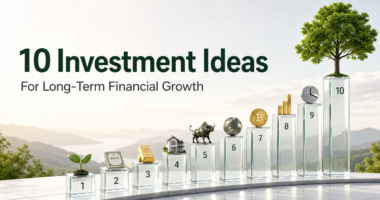

Investing is one of the most effective ways to build wealth and achieve financial freedom, but success doesn’t happen by chance. It requires thoughtful investment ideas, an understanding of changing market trends, and a solid financial planning strategy. Whether you’re a beginner investing your first few hundred dollars or an experienced investor managing a diversified portfolio, staying informed can help you make smarter financial decisions.
Financial markets constantly evolve due to economic conditions, technological innovations, government policies, and global events. While no one can predict market movements with complete accuracy, understanding long-term trends and maintaining a well-balanced investment strategy can improve your chances of reaching your financial goals.
This comprehensive guide explores practical investment ideas, explains current market trends, and provides financial planning tips that can help you build long-term wealth while managing risk effectively.
Why Investment Planning Matters
Many people think investing is simply buying stocks and hoping they increase in value. In reality, successful investing begins with a clear financial plan.
A well-designed investment plan helps you:
- Build long-term wealth
- Save for retirement
- Purchase a home
- Fund your children’s education
- Generate passive income
- Achieve financial independence
Without a plan, it’s easy to make emotional decisions based on market news or short-term price movements.
Understanding Today’s Investment Landscape
Modern investors have access to more opportunities than ever before.
Popular investment choices include:
- Stocks
- Exchange-Traded Funds (ETFs)
- Mutual funds
- Bonds
- Real estate
- Real Estate Investment Trusts (REITs)
- Commodities
- Cryptocurrency
- High-yield savings accounts
Rather than relying on a single asset, many investors build diversified portfolios that include multiple investment types.
Investment Idea 1: Invest in Broad Market Index Funds
For many investors, broad market index funds remain one of the simplest and most effective long-term investments.
These funds track entire market indexes rather than individual companies.
Benefits include:
- Instant diversification
- Low management fees
- Strong historical performance
- Reduced investment risk
- Suitable for beginners
Consistent investing into index funds can help build wealth over decades.
Investment Idea 2: Dividend Stocks for Passive Income
Dividend-paying companies distribute part of their profits to shareholders.
Advantages include:
- Regular income
- Potential dividend growth
- Long-term wealth creation
- Portfolio stability
Many investors reinvest dividends to maximize compound returns.
Industries known for dividends include:
- Utilities
- Consumer goods
- Healthcare
- Telecommunications
- Energy
Investment Idea 3: Exchange-Traded Funds (ETFs)
ETFs have become increasingly popular because they combine diversification with flexibility.
Examples include:
- Total market ETFs
- Technology ETFs
- International ETFs
- Bond ETFs
- Dividend ETFs
- Sector ETFs
Investors appreciate ETFs for their relatively low costs and ease of trading.
Investment Idea 4: Real Estate
Real estate continues to attract investors seeking both income and appreciation.
Investment options include:
Rental Properties
Generate recurring rental income while benefiting from property appreciation.
REITs
REITs allow investors to own shares in professionally managed real estate portfolios.
Vacation Rentals
Short-term rental properties can provide attractive returns in popular travel destinations.
Investment Idea 5: Bonds for Stability
Bonds provide regular interest income and often help reduce portfolio volatility.
Common bond categories include:
- Government bonds
- Corporate bonds
- Municipal bonds
Investors approaching retirement often increase bond allocations to preserve capital.
Investment Idea 6: International Investing
Limiting investments to one country may reduce diversification.
International investments provide exposure to:
- Emerging markets
- Developed economies
- Global companies
- Different currencies
Global diversification can reduce dependence on a single economy.
Investment Idea 7: Growth Stocks
Growth companies focus on expanding revenue and earnings.
Characteristics include:
- Rapid innovation
- High revenue growth
- Strong future potential
Technology companies frequently fall into this category.
Growth investing typically involves greater volatility than dividend investing.
Investment Idea 8: Value Investing
Value investors seek companies trading below their estimated intrinsic value.
Common indicators include:
- Low price-to-earnings ratio
- Strong balance sheet
- Consistent earnings
- Healthy cash flow
This strategy requires patience but can reward disciplined investors.
Current Market Trends Every Investor Should Know
Understanding long-term market trends helps investors make informed decisions rather than reacting emotionally.
Artificial Intelligence
Artificial intelligence continues transforming industries including:
- Healthcare
- Finance
- Manufacturing
- Retail
- Transportation
Companies adopting AI technologies may experience significant long-term growth.
Clean Energy
Renewable energy continues expanding worldwide.
Investment opportunities include:
- Solar companies
- Wind energy
- Battery technology
- Electric vehicles
- Sustainable infrastructure
Government policies increasingly support clean energy development.
Digital Transformation
Businesses continue investing heavily in digital technologies.
Growing industries include:
- Cloud computing
- Cybersecurity
- E-commerce
- Digital payments
- Data analytics
These sectors may continue experiencing long-term demand.
Aging Population
Many countries face aging populations, increasing demand for:
- Healthcare
- Pharmaceuticals
- Medical technology
- Senior housing
Healthcare remains an important long-term investment theme.
Inflation Awareness
Inflation influences investment decisions by affecting purchasing power.
Assets often considered during inflationary periods include:
- Stocks
- Real estate
- Infrastructure
- Commodities
Maintaining diversified investments may help reduce inflation risk.
Financial Planning Basics
Successful investing begins with effective financial planning.
Important steps include:
Create a Budget
Track income and expenses.
Identify opportunities to increase savings.
Build an Emergency Fund
Maintain three to six months of living expenses before making aggressive investments.
Eliminate High-Interest Debt
Reducing expensive debt often provides guaranteed financial benefits.
Set Investment Goals
Examples include:
- Retirement
- Buying a home
- College savings
- Financial independence
Clear goals improve investment decisions.
Asset Allocation
Asset allocation determines how investments are distributed among various asset classes.
Example portfolio:
- 60% stocks
- 25% bonds
- 10% real estate
- 5% cash
The right allocation depends on:
- Age
- Income
- Risk tolerance
- Financial goals
Diversification Reduces Risk
Diversification spreads investments across multiple assets.
Benefits include:
- Lower portfolio volatility
- Better risk management
- Reduced dependence on one investment
- More consistent long-term performance
Diversification remains one of the most effective risk management strategies.
Managing Investment Risk
Every investment carries risk.
Investors should consider:
- Market risk
- Inflation risk
- Liquidity risk
- Credit risk
- Interest rate risk
Understanding these risks improves decision-making.
Avoid Common Investment Mistakes
Many investors reduce returns through avoidable mistakes.
Chasing Market Hype
Popular investments often become overpriced.
Emotional Trading
Fear and greed frequently lead to buying high and selling low.
Ignoring Fees
Investment expenses compound over time.
Lack of Diversification
Concentrated portfolios increase overall risk.
Waiting Too Long
Time is one of the greatest advantages investors possess.
Retirement Planning
Retirement planning should begin as early as possible.
Important strategies include:
- Increase retirement contributions annually.
- Diversify investments.
- Reinvest dividends.
- Review your retirement goals regularly.
- Avoid unnecessary withdrawals.
Even modest monthly investments can grow significantly over decades.
Passive Investing vs. Active Investing
Passive Investing
Passive investing aims to match market performance using index funds and ETFs.
Advantages:
- Lower costs
- Simplicity
- Broad diversification
- Strong long-term results
Active Investing
Active investors attempt to outperform the market by selecting individual securities.
Advantages:
- Potential for higher returns
- Flexible investment decisions
Challenges:
- Higher fees
- Greater research requirements
- Increased trading activity
Building a Long-Term Investment Strategy
Successful investing is often based on consistent habits rather than perfect timing.
Key principles include:
- Invest regularly.
- Stay diversified.
- Keep investment costs low.
- Rebalance your portfolio periodically.
- Continue learning.
- Stay patient during market volatility.
Long-term discipline generally outperforms emotional investing.
Final Thoughts
Building wealth is a journey that combines smart investment ideas, awareness of market trends, and disciplined financial planning. Rather than chasing the latest investment craze, focus on creating a diversified portfolio that aligns with your goals, risk tolerance, and time horizon.
Also Read: Investing Guide: Stocks, ETFs, Real Estate & More
Markets will inevitably rise and fall, but a well-thought-out strategy can help you stay focused during periods of uncertainty. By investing consistently, keeping costs low, managing risk, and reviewing your financial plan regularly, you can improve your chances of achieving long-term financial success.
Remember, successful investing isn’t about predicting the future—it’s about preparing for it. The decisions you make today can shape your financial well-being for years to come, making patience, education, and consistency your greatest investment assets.