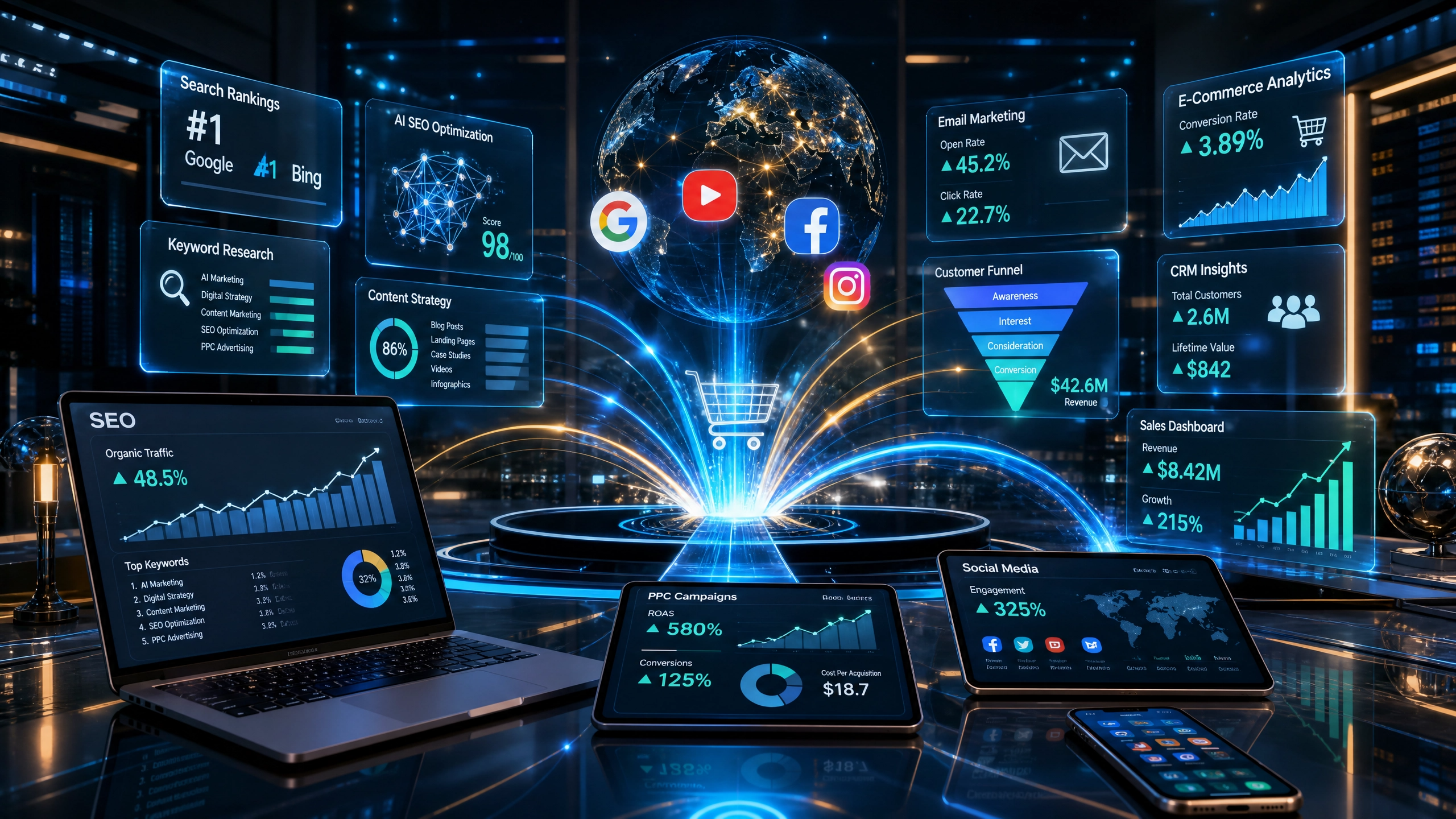

In today’s competitive online marketplace, businesses must do more than simply create a website and hope customers find it. Every day, millions of searches are performed on search engines, while billions of users interact on social media platforms. Companies that effectively combine Digital Marketing & SEO gain a significant advantage by reaching the right audience at the right time.
Whether you’re running a startup, an eCommerce store, or an established enterprise, increasing sales requires a strategic approach. Modern consumers research products, compare prices, read reviews, and interact with brands before making purchasing decisions. Businesses that optimize every stage of this customer journey experience higher traffic, better engagement, and stronger conversion rates.
This comprehensive guide explains exactly how digital marketing and search engine optimization work together to generate leads, increase website visibility, improve customer trust, and ultimately boost revenue.
What Is Digital Marketing?
Digital marketing refers to promoting products or services using online channels, including:
- Search engines
- Social media
- Email marketing
- Content marketing
- Paid advertising
- Video marketing
- Influencer marketing
- Mobile marketing
Unlike traditional advertising, digital marketing allows businesses to measure campaign performance in real time and optimize strategies for better results.
Its primary objectives include:
- Increasing brand awareness
- Driving targeted traffic
- Generating qualified leads
- Improving customer engagement
- Increasing online sales
- Building long-term customer relationships
Why Digital Marketing & SEO Matter for Business Growth
Modern consumers rarely purchase products without first researching online.
Businesses that invest in search optimization and digital marketing gain benefits such as:
- Higher search visibility
- Better customer targeting
- Increased website traffic
- Improved credibility
- Higher conversion rates
- Better return on investment (ROI)
- Long-term sustainable growth
SEO ensures customers find your business organically, while digital marketing nurtures those visitors until they become paying customers.
How Digital Marketing & SEO Work Together
Although many people think SEO and digital marketing are separate strategies, they actually complement each other perfectly.
SEO helps attract visitors through search engines.
Digital marketing then:
- Builds trust
- Educates customers
- Encourages engagement
- Retargets interested visitors
- Converts leads into customers
Together they create a complete online sales funnel.
Understanding the Modern Customer Journey
Before buying, customers typically follow these stages:
Awareness
They discover your brand through:
- Google searches
- Social media
- Blog articles
- Videos
- Online ads
Consideration
Customers compare:
- Features
- Pricing
- Reviews
- Competitors
- Testimonials
Decision
Finally, they purchase after gaining enough confidence.
Effective marketing supports every stage of this journey.
How SEO Increases Website Traffic
Organic traffic remains one of the highest-converting traffic sources.
SEO improves visibility by optimizing:
- Keywords
- Website speed
- Mobile usability
- Internal linking
- Content quality
- User experience
- Technical performance
Higher rankings naturally attract more visitors.
Keyword Research Drives Qualified Visitors
Successful SEO begins with understanding customer search intent.
Keyword categories include:
Informational Keywords
Example:
- How to improve email marketing
Commercial Keywords
Example:
- Best CRM software
Transactional Keywords
Example:
- Buy running shoes online
Targeting the right keywords attracts visitors ready to purchase.
High-Quality Content Builds Customer Trust
Content remains the foundation of successful online marketing.
Examples include:
- Blog posts
- Buying guides
- Tutorials
- Videos
- Infographics
- Case studies
- Product comparisons
Helpful content positions your business as an industry authority.
Content Marketing Generates More Sales
Educational content answers customer questions before they buy.
Examples include:
- Product demonstrations
- FAQ articles
- Success stories
- Expert interviews
- Industry insights
Customers are more likely to purchase from brands they trust.
On-Page SEO Improves Search Rankings
On-page optimization includes:
- Optimized titles
- Meta descriptions
- Heading structure
- Internal links
- Image optimization
- Keyword placement
- Readable URLs
Each improvement helps search engines better understand your content.
Technical SEO Enhances User Experience
Technical SEO focuses on website performance.
Important elements include:
- Fast loading pages
- Mobile responsiveness
- HTTPS security
- XML sitemaps
- Structured data
- Clean site architecture
A technically optimized website improves both rankings and conversions.
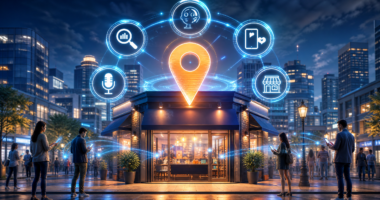
Local SEO Attracts Nearby Customers
Local businesses benefit greatly from local optimization.
Key strategies include:
- Google Business Profile optimization
- Local keywords
- Customer reviews
- Location pages
- Local citations
Customers searching nearby often have high purchase intent.
Social Media Expands Brand Reach
Although social signals are not direct ranking factors, social media increases:
- Brand awareness
- Content distribution
- Website traffic
- Customer engagement
- Community building
Popular platforms include:
- TikTok
- X
Social media amplifies your marketing efforts.
Email Marketing Converts Leads into Customers
Email marketing continues delivering one of the highest returns on investment.
Effective campaigns include:
- Welcome emails
- Product recommendations
- Promotional offers
- Educational newsletters
- Cart abandonment reminders
- Loyalty rewards
Personalized emails significantly increase conversions.
Paid Advertising Accelerates Growth
Organic SEO requires time.
Paid advertising provides immediate visibility.
Popular advertising channels include:
- Google Ads
- Facebook Ads
- Instagram Ads
- LinkedIn Ads
- YouTube Ads
Combining paid campaigns with SEO produces balanced long-term growth.
Video Marketing Boosts Customer Engagement
Videos improve user engagement by demonstrating products more effectively than text.
Popular formats include:
- Product demos
- Tutorials
- Customer testimonials
- Behind-the-scenes videos
- Educational explainers
Video also increases time spent on your website.
Conversion Rate Optimization Maximizes Sales
Driving traffic alone is not enough.
Conversion optimization improves the percentage of visitors who purchase.
Best practices include:
- Faster checkout
- Clear calls-to-action
- Better product pages
- Trust badges
- Customer reviews
- Live chat
- Simplified navigation
Small improvements often generate significant revenue growth.
Analytics Help Improve Performance
Successful marketers rely on data rather than assumptions.
Track metrics such as:
- Organic traffic
- Bounce rate
- Conversion rate
- Average session duration
- Revenue
- Customer acquisition cost
- Return on ad spend
Continuous optimization improves long-term performance.
Common Mistakes That Reduce Sales
Many businesses unknowingly limit growth by making mistakes like:
- Ignoring SEO
- Publishing thin content
- Slow websites
- Poor mobile experience
- Keyword stuffing
- Weak calls-to-action
- Inconsistent branding
- Not tracking analytics
Avoiding these issues creates a stronger marketing foundation.
Future Trends in Online Marketing
Digital marketing continues evolving.
Emerging trends include:
- Artificial Intelligence
- Voice search
- Visual search
- Predictive analytics
- Personalized experiences
- Automation
- Interactive content
- Short-form videos
Businesses that adapt early remain competitive.
Best Practices for Sustainable Growth
Successful companies consistently:
- Publish valuable content
- Optimize for search engines
- Update older articles
- Build quality backlinks
- Improve website speed
- Focus on user experience
- Monitor analytics
- Test marketing campaigns
- Understand customer intent
Consistency delivers better long-term results than short-term tactics.
Benefits Businesses Can Expect
When implemented correctly, businesses often experience:
- Increased organic traffic
- Better search visibility
- More qualified leads
- Improved customer trust
- Higher engagement
- Better conversion rates
- Increased repeat customers
- Stronger online authority
- Higher revenue
These benefits compound over time.
What is Digital Marketing & SEO?
Digital marketing promotes products through online channels, while SEO improves a website’s visibility in search engine results. Together they help businesses attract targeted visitors and convert them into customers.
How long does SEO take to improve sales?
Most businesses begin seeing noticeable SEO improvements within three to six months, although highly competitive industries may require longer. Consistent optimization leads to stronger long-term growth.
Is SEO better than paid advertising?
Both have advantages. SEO delivers sustainable organic traffic, while paid advertising generates immediate visibility. Combining the two often produces the best results.
Why is content important?
Quality content educates potential customers, answers their questions, builds trust, and improves search rankings, all of which contribute to higher sales.
Can small businesses benefit?
Absolutely. Small businesses often achieve excellent results by targeting local customers, optimizing for relevant keywords, and creating valuable content that addresses customer needs.
Also read: What Makes Digital Marketing & SEO Powerful?
Conclusion
Growing sales online requires more than simply having a website—it demands a well-planned strategy that attracts, engages, and converts customers. By combining effective search engine optimization with content marketing, social media, email campaigns, paid advertising, and continuous performance analysis, businesses can create a powerful system for sustainable growth.
Investing in Digital Marketing & SEO is not just about improving search rankings; it’s about understanding customer behavior, delivering valuable experiences, and building lasting trust. Companies that consistently optimize their online presence are better positioned to generate qualified leads, increase conversions, strengthen brand authority, and achieve long-term revenue growth in an increasingly competitive digital marketplace.