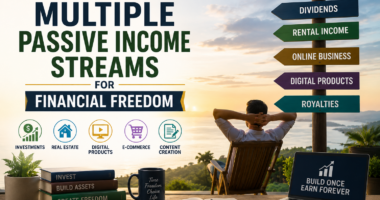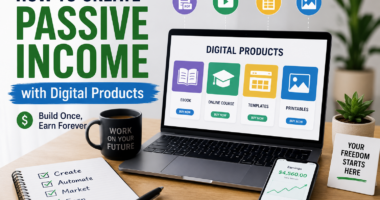

Financial freedom is a goal shared by millions of people worldwide. It represents the ability to cover living expenses, pursue personal goals, and enjoy life without depending solely on a regular paycheck. Achieving this level of financial independence requires careful planning, disciplined saving, and smart investing. One of the most effective ways to reach this milestone is by building Passive Income streams that continue generating earnings with minimal ongoing effort.
Unlike active income, where you exchange time for money, passive income allows your investments, assets, or businesses to produce recurring revenue. While many passive income opportunities require significant upfront work or capital, they can eventually provide long-term financial stability and greater freedom.
In this comprehensive guide, you’ll learn why passive income plays a crucial role in achieving financial freedom, explore the most common income sources, understand their benefits, and discover practical strategies for building sustainable wealth over time.
Passive Income Creates Financial Independence
One of the biggest reasons people pursue passive income is the opportunity to reduce dependence on traditional employment. Relying on a single paycheck can be risky, especially during economic downturns, layoffs, or unexpected life events.
By creating multiple sources of recurring income, individuals gain greater control over their finances and become less vulnerable to financial uncertainty.
Passive Income Reduces Financial Stress
Knowing that money continues to arrive even when you’re not actively working can significantly reduce financial anxiety. Monthly recurring income helps cover essential expenses such as:
- Mortgage or rent
- Utility bills
- Insurance premiums
- Groceries
- Education costs
- Healthcare expenses
Instead of worrying about every paycheck, passive income provides a stronger financial safety net.
Passive Income Supports Lifestyle Flexibility
Financial freedom means having choices. Recurring income allows people to:
- Work fewer hours
- Change careers
- Travel more frequently
- Spend time with family
- Pursue hobbies
- Start new businesses
- Retire earlier
These opportunities become much more attainable when income isn’t tied entirely to daily work.
Passive Income Builds Long-Term Wealth
Wealth creation is rarely the result of one large financial event. Instead, it usually develops gradually through consistent investing and compound growth.
Passive income allows earnings to be reinvested, creating a cycle of continuous wealth accumulation.
The Power of Compounding
When earnings are reinvested instead of spent, future returns are generated on both the original investment and previous earnings.
For example:
- Dividend payments purchase additional shares.
- Rental profits fund new property investments.
- Royalties finance additional digital products.
- Business profits expand automated operations.
Over many years, compounding can dramatically increase total wealth.
Diversification Strengthens Financial Security
Depending on a single source of income creates unnecessary risk.
Diversifying across several passive income sources may include:
- Dividend stocks
- Rental properties
- Digital products
- Affiliate marketing
- Real estate investment trusts (REITs)
- Bonds
- High-yield savings accounts
A diversified portfolio reduces the impact of poor performance from any single investment.
Passive Income Protects Against Inflation
Inflation gradually reduces purchasing power over time. As prices rise, relying only on salary increases may not be enough to maintain your standard of living.
Recurring investment income can help offset these rising costs.
Investments That May Outpace Inflation
Some assets have historically offered returns that exceed inflation over long periods.
Examples include:
- Equities
- Real estate
- Dividend-paying companies
- Certain infrastructure investments
- Well-managed investment funds
Although no investment guarantees returns, diversified portfolios have historically provided stronger long-term growth than simply holding cash.
Growing Income Over Time
Many passive income sources naturally increase over time.
For example:
- Rental income may rise as lease rates increase.
- Dividend-paying companies may raise distributions.
- Digital products can reach larger audiences.
- Membership businesses can attract additional subscribers.
This growth helps preserve purchasing power throughout changing economic conditions.
Passive Income Provides Greater Career Freedom
Financial independence often creates professional flexibility that active income alone cannot provide.
Rather than remaining in an unsatisfying job solely for financial reasons, recurring income offers greater freedom to make career decisions based on personal goals and interests.
Exploring Entrepreneurship
Many successful entrepreneurs begin new ventures while relying on existing passive income streams for financial support.
This reduces pressure during the early stages of business development and allows founders to focus on long-term growth instead of immediate profits.
Pursuing Meaningful Work
Some individuals choose careers that provide greater personal satisfaction but lower salaries.
Examples include:
- Teaching
- Nonprofit work
- Creative arts
- Writing
- Community service
- Environmental conservation
Supplemental recurring income can make these career transitions more financially manageable.
Passive Income Improves Retirement Planning
Retirement planning has changed significantly over recent decades. Traditional pensions have become less common, placing greater responsibility on individuals to build their own financial security.
Passive income can help bridge the gap between retirement savings and ongoing living expenses.
Creating Reliable Retirement Cash Flow
Common retirement income sources include:
- Dividend portfolios
- Rental property income
- Bond interest
- REIT distributions
- Annuities
- Royalties
Combining several income streams can provide more stable cash flow throughout retirement.
Reducing Dependence on Government Benefits
While public retirement programs may provide valuable support, they may not fully cover future living expenses.
Building independent income sources gives retirees greater financial flexibility and confidence.
Passive Income Encourages Smarter Financial Habits
Developing recurring income often requires learning valuable financial skills that improve overall money management.
These include:
- Budgeting
- Investing
- Risk assessment
- Tax planning
- Asset allocation
- Business development
- Long-term goal setting
As individuals become more financially educated, they often make better decisions regarding saving, investing, and spending.
Setting Long-Term Financial Goals
Creating passive income is rarely about overnight success. It involves patience, consistency, and disciplined planning.
Successful investors frequently establish goals such as:
- Paying off debt
- Building emergency savings
- Purchasing investment assets
- Increasing annual investment contributions
- Expanding multiple income streams
Breaking large financial objectives into smaller milestones makes long-term success more achievable.
Building a Strong Foundation for Financial Freedom
Financial freedom is not achieved through a single investment or business idea. It results from consistently making informed financial decisions over many years.
Passive income provides the opportunity to earn money beyond traditional employment, helping individuals build resilience against economic uncertainty while creating greater lifestyle flexibility.
However, success depends on choosing income strategies that align with your financial goals, risk tolerance, available capital, and personal interests. Whether you begin with dividend investing, digital products, rental real estate, or another recurring income source, taking the first step today can create meaningful opportunities for tomorrow.
In the next section, we’ll explore additional passive income strategies, common mistakes to avoid, practical implementation tips, frequently asked questions, and a comprehensive conclusion that ties everything together.
Also read: Which Passive Income Streams Are Most Profitable?
Final Thoughts
Building financial freedom is a long-term journey that requires planning, patience, and consistent action. While active income provides the foundation for meeting daily expenses, Passive Income offers the opportunity to create lasting financial security by generating earnings that continue beyond the hours you work. Whether you invest in dividend stocks, rental properties, digital products, affiliate marketing, or other recurring income sources, each step brings you closer to greater financial independence.
The key to success is choosing income streams that align with your financial goals, risk tolerance, available capital, and personal skills. Diversifying across multiple passive income sources can reduce financial risk while increasing the potential for stable, long-term returns. Reinvesting your earnings, monitoring your investments, and continuously improving your financial knowledge will help your wealth grow through the power of compounding.
Remember that financial freedom is rarely achieved overnight. Most successful investors and entrepreneurs build their wealth gradually through disciplined saving, strategic investing, and persistent effort. By starting today—even with small investments or simple online opportunities—you can establish income streams that support your future lifestyle and provide greater flexibility, security, and peace of mind.
Ultimately, Passive Income is more than just earning extra money; it is a powerful strategy for taking control of your financial future. With careful planning and consistent execution, recurring income can help you reduce financial stress, prepare for retirement, achieve personal goals, and enjoy the freedom to live life on your own terms.